The allure of risk and reward
One of the most significant psychological aspects of gambling at casinos is the allure of risk and reward. The concept of risk is deeply embedded in human nature, driving the excitement that many individuals seek in various activities. Casinos create a unique atmosphere where the stakes are often high, and the potential for immediate rewards, such as casino sites fast withdrawal , is enticing. This thrilling environment captivates players, encouraging them to return repeatedly, as the prospect of winning can be incredibly addictive. The exhilaration derived from the chance of winning often overshadows the reality of potential losses, creating a compelling reason to play.
This allure is intensified by the phenomenon known as the “near miss.” A near miss occurs when a player almost wins but ultimately falls short. For example, landing two out of three symbols on a slot machine may evoke feelings of excitement and motivation to keep playing. This psychological occurrence can trigger a neurological response similar to that of a win, prompting players to chase that elusive victory. The seductive nature of near misses can lead to extended playtime and increased spending, as players cling to the hope that the next spin will finally yield a successful outcome.
The casino environment is meticulously designed to amplify these feelings of excitement and anticipation. Bright lights, vibrant colors, and lively sounds all contribute to a euphoric atmosphere that enhances the psychological experience of gambling. This sensory stimulation makes the act of gambling more appealing and engaging, creating a sense of urgency that can be hard to resist. Ultimately, the psychology behind risk and reward not only explains why players are drawn to casinos but also sheds light on why it can be challenging for them to walk away once they begin to play.
The role of social interactions
Another significant aspect of gambling psychology is the social dimension. Many individuals are drawn to casinos not just for the games but for the social interactions that these environments foster. Gambling can create a sense of community, as players often share their experiences and emotions with others in the casino. This social engagement can enhance the overall experience, making it more enjoyable and providing an emotional boost. The camaraderie felt while playing alongside others can heighten excitement and amplify the thrill of winning, reinforcing the desire to return to the casino.
Moreover, social status can play a pivotal role in the psychology of gambling. Many players view success at gambling as a reflection of skill, luck, or financial capability. Winning can become a means of gaining recognition and respect among peers, reinforcing their desire to participate in gambling activities. This is particularly evident in high-stakes environments where witnessing or partaking in significant wins can establish a sense of prestige and validation among friends. The social dynamics at play can be a double-edged sword, enhancing the gaming experience while also introducing complexities and pressures related to social standing.

However, the social environment of gambling can lead to negative consequences as well. Peer pressure may encourage individuals to gamble beyond their means, pushing them to take risks they might otherwise avoid. Those who experience losses may feel embarrassed or ashamed, leading them to hide their gambling behavior from their social circles. Thus, while social interactions in casinos can foster a sense of belonging and enjoyment, they also pose psychological challenges that can significantly affect a player’s gambling behavior and decision-making.
The impact of cognitive biases
Cognitive biases are vital to understanding the psychology of gambling, as they influence how players perceive their chances and make decisions. Many gamblers are affected by misconceptions that distort their judgment. One notable example is the gambler’s fallacy, where individuals mistakenly believe that past outcomes will affect future results. This flawed belief can lead players to assume that a win is “due” after a series of losses, compelling them to continue gambling in hopes of an eventual win, despite the inherent randomness of most games.
Another common cognitive bias is the illusion of control, where players believe they have more influence over game outcomes than they actually do. This bias is particularly relevant in games of skill, such as poker, where players may overestimate their abilities and take unnecessary risks based on inflated confidence. Recognizing these biases is crucial, as they can explain why some individuals struggle to see the reality of their gambling situation and may engage in behaviors that are detrimental to their financial and emotional well-being.
Additionally, the framing effect can significantly impact players’ choices. The way information is presented can dramatically influence decisions; for instance, emphasizing potential wins rather than losses can lead players to gamble more. Casinos often exploit these psychological tendencies by showcasing large jackpots and success stories, steering players toward more emotionally charged decision-making processes. Understanding these cognitive biases provides deeper insights into the complex psychology of gambling, shedding light on the behaviors associated with it and the challenges that players face in managing their gambling habits.
The thrill of escapism
The psychological need for escapism is another compelling reason people are drawn to casinos. For many, gambling serves as a temporary escape from the stresses and challenges of daily life. The immersive atmosphere of a casino allows players to forget their worries, even if just for a little while. By engaging in gambling activities, individuals can enter a different world where their everyday concerns seem to fade. This allure of escapism can often outweigh rational considerations of the risks involved in gambling, as the desire for relief from life’s pressures takes precedence.
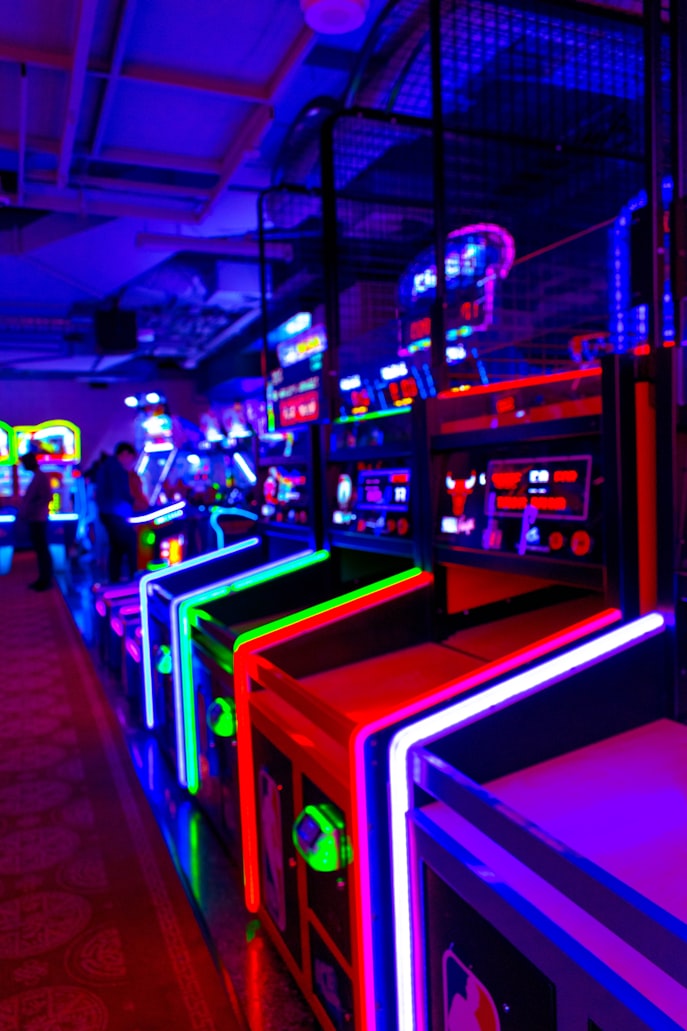
Moreover, the thrill of the game itself can act as a distraction from personal issues. Many gamblers seek solace in the excitement of gambling during difficult times, finding comfort in the thrill and the camaraderie of fellow players. This can create a cycle where gambling becomes a coping mechanism, leading to more frequent visits to casinos and increased spending. The combination of distraction and enjoyment creates a powerful psychological draw, making it challenging for individuals to break free from the pattern of using gambling as a source of escapism.
However, while gambling may initially provide relief, it can lead to adverse consequences if it becomes a primary means of coping. Over time, individuals may find themselves in deeper financial trouble, exacerbating their stress and anxiety levels. This paradox highlights the importance of being aware of the potential pitfalls of relying on gambling as an escape. Understanding this aspect of gambling psychology is crucial for those seeking to navigate the delicate balance between enjoyment and responsible behavior, ensuring that the thrill does not come at a significant cost.
Exploring responsible gambling resources
In the realm of gambling, awareness and education are essential for promoting responsible behavior. Numerous resources exist to support individuals who may be struggling with gambling-related issues. These resources often provide valuable information about the psychological aspects of gambling, helping players understand their motivations and tendencies. They aim to equip individuals with the knowledge needed to make informed decisions and recognize when their gambling habits may be becoming problematic, promoting a healthier relationship with gambling.
Many casinos actively promote responsible gambling initiatives, offering tools and services such as self-exclusion programs, limit-setting options, and access to counseling services. These initiatives are designed to assist players in maintaining control over their gambling behavior and preventing the development of harmful habits. By fostering a culture of responsibility within the gaming environment, casinos can play a proactive role in addressing the psychological complexities associated with gambling, ensuring that players have access to the support they need.
Additionally, online platforms provide opportunities for individuals to learn more about responsible gambling practices from the comfort of their homes. Educational materials, interactive tools, and supportive communities are readily available, allowing individuals to engage constructively with their gambling habits. As awareness grows surrounding the psychological factors that drive gambling behaviors, it is crucial for both players and casinos to collaborate in promoting a healthier gambling environment. By emphasizing responsible gambling, the industry can help mitigate the risks associated with gambling and support individuals in making positive choices.
